
B2B buyers are more informed, more digital and more selective than ever. Digital advertising now accounts for 69% of total global ad spend. With 71% of businesses increasing their digital ad budgets in 2025, digital advertising has become the main playing field for many brands.
That recent shift has made data-driven B2B digital advertising a key principle for success. The following guide outlines how to build, execute and optimize a strategy that connects with decision-makers and drives measurable ROI.
Key Takeaways
- B2B digital advertising targets business decision-makers across online channels to drive impact.
- A data-driven strategy improves targeting, messaging and budget allocation to align campaign performance with business objectives.
- First-party data is critical for personalization and accurate audience segmentation.
- Clear KPIs and accurate tracking are essential for measuring ROI.
- Ongoing optimization is required to improve performance over time.

An Overview of B2B Digital Advertising
B2B digital marketing refers to the promotion of products or services from one business to another through digital channels such as search engines, social platforms, display networks, email and video.
Unlike B2C marketing, B2B campaigns typically target multiple stakeholders within an organization and involve longer sales cycles.
The main objective is to reach decision-makers, nurture leads and generate qualified pipeline opportunities. By 2026, digital ad spend is expected to surpass $850 billion, with B2B companies significantly increasing digital investments to reach modern buyers.
Effective B2B digital advertising combines audience targeting, compelling creative and measurable outcomes tied directly to business goals.
Does Digital Marketing Work for B2B Companies?
Yes, from multiple angles. Sixty percent of B2B buyers finalize their purchase decision based on digital content. With 89% of B2B buyers researching products online before buying, a strong digital marketing strategy can help convert prospects into customers.
Digital marketing works for B2B companies because it aligns with how buyers research solutions. With advanced targeting capabilities and real-time measurement, digital advertising enables businesses to engage prospects at every stage of the funnel — from awareness to consideration to decision.
What Is a Data-Driven B2B Digital Advertising Strategy?
A data-driven B2B digital advertising strategy uses audience insights, behavioral data and performance analytics to guide campaign decisions.
Rather than relying on assumptions, this approach continuously evaluates what is working and adjusts targeting, creative and budget allocation accordingly.
Data can come from a variety of first and third-party sources. When these insights are integrated, they provide a clear view of which audiences are most valuable and which channels are driving qualified opportunities.
In complex B2B environments, where on average, 13 people are involved in a single B2B purchase decision, and 89% of purchases involve two or more departments, data helps ensure messaging is relevant and timely for each persona involved.
How Does Data-Driven B2B Digital Advertising Drive Higher ROI?
A data-driven approach reduces wasted spend and improves efficiency. By analyzing campaign performance in real time, marketers can identify underperforming channels, refine messaging and invest more heavily in segments that resonate with their audience.
Clear measurement also enables better alignment between marketing and sales teams. When campaigns are tied to pipeline metrics, budget decisions become more strategic and defensible.
Over time, consistent optimization leads to improved lead quality, stronger engagement and greater impact on revenue.
Core Data Sources for B2B Digital Advertising
When analyzing advertising data, there are two primary buckets that advertisers pull from. Ultimately, while each source has advantages, it’s important to incorporate both forms of data to guide a successful advertising campaign.
First-Party Data
First-party data is information collected directly from a brand’s owned channels, such as websites, CRM systems, email campaigns and customer interactions. This data reflects engagement and provides accurate insight into audience behavior.
Because it comes directly from prospects and customers, first-party data supports personalization, effective retargeting and the ability to put audiences into segments.
Third-Party Data
Third-party data is sourced from external providers such as platforms or publishers and may include firmographic details, industry classifications, technographic insights and purchase intent signals.
When combined with first-party data, third-party sources help expand reach and uncover new high-potential accounts that a company may not have had insight into before.
Most Effective Channels for B2B Digital Advertising
Digital advertising can include a variety of channels across the internet. Based on company goals, the importance of a presence in each B2B marketing channel may shift. Here is a brief overview of the main channels used today:
Search
Search advertising on platforms such as Google or Bing captures high-intent prospects actively researching solutions. It’s particularly effective for driving qualified traffic from decision-makers who are further along in the buying process.
Social Media
Professional social platforms such as LinkedIn can allow advertisers to target by job title, seniority, industry and company size, making it a popular choice for lead generation.
Other popular platforms, such as Meta, X, Instagram and TikTok are valuable for B2B brand awareness and thought leadership efforts, depending on your audience demographics.
Display
Display advertising builds brand visibility across relevant industry publications and websites that B2B buyers rely on. It can also play a key role in retargeting campaigns.
Content Syndication
B2B content syndication distributes gated assets such as white papers and case studies through third-party networks to generate qualified leads outside of a brand’s internal database.
Content syndication can directly influence pipeline impact through the acquisition and nurturing of prospects.
eBlast / Newsletters
Email campaigns and sponsored newsletters nurture prospects and keep brands visible by remaining in their inbox throughout longer sales cycles.
Webinar
B2B Webinars provide educational value and position brands as industry experts. They are especially effective for mid- and lower-funnel engagement and can provide more engaged prospects to add to the sales funnel.
Podcast
Podcast advertising helps brands reach engaged professional audiences in trusted, industry-specific environments, strengthening credibility and relevance.
Native Advertising
Native advertising integrates sponsored content within editorial platforms, increasing credibility and engagement through thought leadership content.
DOOH
Digital Out-of-Home advertising blends traditional outdoor visibility with digital targeting capabilities to enhance brand awareness. This includes billboards, subway advertisements, elevator screens and more.
When paired with strategic timing and locations, this marketplace is rapidly gaining popularity. The global DOOH market is set to rise from $35.87 billion in 2026 to $93.54 billion by 2035, making this an important channel to keep a pulse on.
Video
Video content increases engagement and helps communicate complex solutions in a more accessible format. It can be used across social, display and website placements. With 61% of B2B marketers planning budget increases for this channel, it’s growing in importance and versatility across campaigns.
A Step-by-Step Guide to Launch a Data-Driven B2B Digital Strategy
When developing a data-driven B2B media plan and strategy, it’s important to have a clear plan of attack. This starts before a campaign even begins, pairing performance data with features such as audience, channel, funnel stage and overall budget.
Set Clear KPIs
Establish measurable objectives that align with revenue goals, such as lead generation, cost efficiency or pipeline contribution.
Build Out Audience Segments
Segment audiences by industry, job function, seniority level, company size and buying stage to improve targeting accuracy.
Select Channels Based on Goals
Match channels to specific objectives. For example, content syndication campaigns would focus on generating leads, while display campaigns would prioritize awareness and engagement.
Determine Key Metrics
Each channel has different key metrics. An overview of common measurement criteria to account for includes:
CPC
Cost per click measures traffic efficiency.
CPL
Cost per lead evaluates acquisition performance.
CTR
Click-through rate indicates ad engagement.
Open Rate
Open rate measures email and newsletter effectiveness.
Pipeline
Pipeline contribution reflects marketing’s influence on revenue opportunities.
Ensure Data Tracking Accuracy
Accurate tracking through CRM integration and analytics tools is essential for reliable reporting and attribution.
Analyze Performance by Channel and Funnel Stage
Evaluate how each channel performs at various stages of the buyer journey to identify optimization opportunities.
Reallocate Budget Based on Results
Shift budget toward high-performing channels and audience segments to maximize return on investment.
Strategies for Better B2B Digital Advertising Performance
Even well-structured campaigns require ongoing refinement to remain competitive. As buyer behaviors shift and platform algorithms evolve, performance depends on a brand’s ability to adapt.
The following strategies help improve efficiency, increase lead quality and strengthen overall pipeline impact across channels.
Conduct in-Depth Customer Research
Understanding buyer pain points, motivations and decision criteria leads to more relevant messaging and stronger engagement.
Consider Incorporating ABM Campaigns
Account-based marketing focuses on targeting specific high-value target accounts across various channels, increasing efficiency in competitive environments.
Test A/B Elements
Testing variations in headlines, visuals, calls to action and landing pages helps improve performance over time.
Use Insights to Shape Ad Copy
Performance data should inform creative direction and messaging refinement. Ad copy should also be refreshed consistently when data indicates fatigue with specific campaigns.
Use a Retargeting Campaign When Possible
Retargeting campaigns re-engage users who have previously interacted with the brand, increasing conversion potential.
Partner With a Marketing Agency
An experienced B2B advertising agency brings strategic oversight, cross-channel expertise and advanced analytics capabilities that support sustained growth.
Common Mistakes in B2B Digital Advertising
Many B2B digital advertising campaigns underperform not because the channels are ineffective, but because the strategy lacks alignment with channels and goals.
A common mistake is setting KPIs that do not connect directly to revenue or pipeline impact, leading teams to optimize for irrelevant metrics rather than business outcomes.
Other common mistakes include overly broad targeting without meaningful segmentation, which can dilute budget efficiency and reduce lead quality. Inconsistent messaging across funnel stages often results in disengaged prospects, particularly in longer buying cycles where relevance is critical. Poor tracking implementation and incomplete attribution models can obscure performance insights, making optimization difficult.
Additionally, failing to test creative elements or relying too heavily on a single channel limits growth potential. Sustainable B2B advertising performance requires disciplined measurement, cross-channel coordination and ongoing refinement that is reflective of a brand’s main goals.
Finally, B2B companies also must consider their specific industry when creating campaigns. Examples include:
- B2B healthcare campaigns focused on doctors need to place an increased focus on credibility, allocating more budget to trusted channels such as industry associations.
- Tech, IT and cybersecurity lead generation campaigns have to account for very large buying groups — up to 28 people.
- Data shows financial service ABM campaigns improve customer retention rates, making them a vital component of any strategy.
Examples of Effective B2B Advertising Campaigns
Walker Sands uses data-led digital marketing to directly accelerate growth when strategy, targeting and measurement are tightly aligned to revenue outcomes.
The following case studies show how performance analytics, audience segmentation, content strategy and marketing technology integration improved paid media programs, increased lead quality and drove measurable pipeline growth for B2B brands.
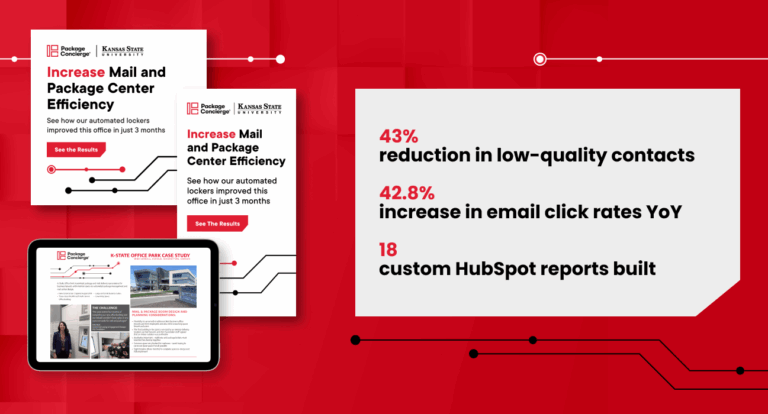
Package Concierge Used Data to Optimize Campaigns
For Package Concierge, Walker Sands implemented a data-rich optimization strategy that rebuilt paid search accounts around buyer intent, expanded long-tail keyword targeting and used segmented LinkedIn audiences based on role, intent and industry to improve relevance and efficiency.
Walker Sands activated dynamic remarketing, aligned attribution through HubSpot integration and developed content tailored to different stages of the funnel based on data.
Walker Sands also performed database hygiene to remove low-quality contacts, advanced form logic to enhance conversion quality and custom dashboards to enable real-time measurement and iterative campaign refinement.
These data-led efforts drove notable improvements in conversion rates, click-through rates, email engagement and reporting clarity.
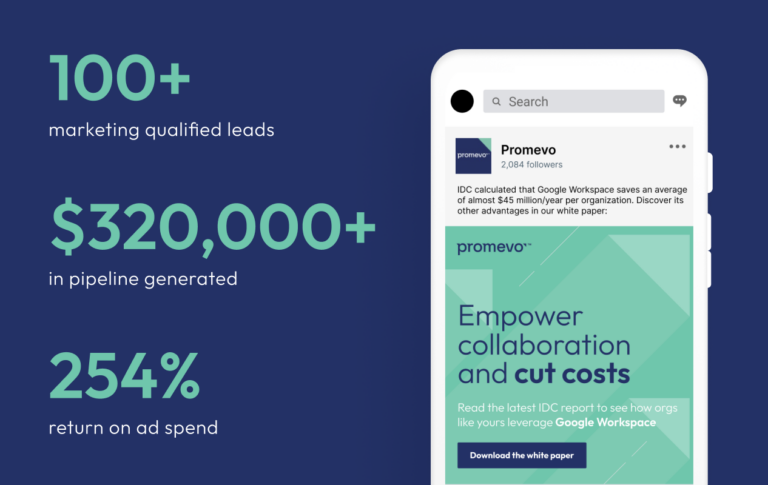
Promevo Hits Aggressive Lead Goals through Digital Campaigns
For Promevo, Walker Sands built a phased, measurable paid media program from scratch to help the client hit aggressive lead and revenue goals.
Walker Sands leveraged data-informed audience targeting across Google Search, Display and LinkedIn, incorporating remarketing and gated content promotions to engage prospects at each stage of the buyer journey.
Paid campaigns were paired with tailored content assets such as blogs or tip sheets and performance tracking tied to pipeline outcomes, allowing rapid optimization and strong lead qualification.
Ultimately, these efforts drove significant new pipeline and a high return on ad spend.
Create Data-Driven B2B Digital Campaigns With Walker Sands
Walker Sands has an experienced and highly qualified demand generation team that can help you create effective and engaging digital campaigns across a range of platforms.
To learn more about how Walker Sands can help you drive measurable sales funnel impact, contact us today.
Frequently Asked Questions
Why Is Data Important in B2B Digital Advertising?
Data ensures campaigns reach the right audiences with relevant messaging and enables accurate performance measurement.
How Does B2B Digital Advertising Differ From B2C Advertising?
B2B advertising involves longer sales cycles, multiple decision-makers and a stronger emphasis on education and relationship building.
What KPIs Matter Most in B2B Digital Advertising?
KPIs depend on the channel used and the overall goal of the campaign. Key KPIs include cost per lead, click-through rate, conversion rate, pipeline contribution and overall return on ad spend.
How Often Should You Optimize B2B Digital Advertising Campaigns?
Performance should be monitored consistently, with regular adjustments made based on data trends (strong performance vs. ad fatigue) and campaign objectives.
What Is the Average ROI for B2B Digital Advertising?
ROI varies widely depending on industry, targeting precision, channel mix and sales cycle length. Organizations that implement structured tracking and continuous optimization typically achieve stronger and more predictable returns over time.


